

 Close
Close


provider
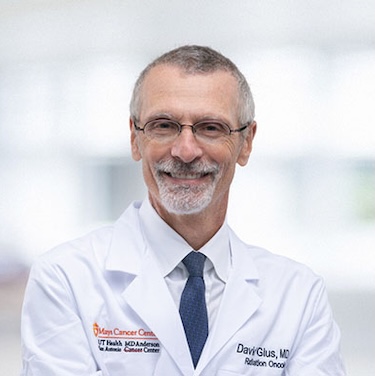
At Mays Cancer Center, home to UT Health San Antonio MD Anderson Cancer Center, our radiation oncologists combine advanced technologies with exceptional cancer expertise.
This phase III trial compares the effect of the combination of ramucirumab and pembrolizumab versus standard of care chemotherapy for the treatment of non-small cell lung cancer that is stage IV or that has come back after a period of improvement (recurrent). Ramucirumab is a monoclonal antibody that may prevent the growth of new blood vessels that tumors need to grow. Immunotherapy with monoclonal antibodies, such as pembrolizumab, may help the body's immune system attack the cancer, and may interfere with the ability of tumor cells to grow and spread. Chemotherapy drugs work in different ways to stop the growth of tumor cells, either by killing the cells, by stopping them from dividing, or by stopping them from spreading. This trial may help doctors find out if giving ramucirumab with pembrolizumab is more effective at treating patients with stage IV or recurrent non-small cell lung cancer than standard chemotherapy.
Thermal ablation is a minimally invasive treatment used for many health conditions, including cancers of the bone, kidney, liver and lung. It can benefit people with early stage, small tumors or those awaiting liver transplant. Thermal ablation uses extreme heat or cold to destroy cancer cells.
This study is designed to assess the efficacy and safety of datopotamab deruxtecan (Dato-DXd) in combination with pembrolizumab versus pembrolizumab in combination with pemetrexed and platinum chemotherapy in participants with no prior therapy for advanced or metastatic non-squamous non-small cell lung cancer (NSCLC)
At Mays Cancer Center, home to UT Health San Antonio MD Anderson Cancer Center, our team pioneered the use of intensity-modulated radiation therapy (IMRT) decades ago. Today, our experts use IMRT to treat certain cancers, such as prostate and lung cancers, with incredible precision. IMRT’s increased effectiveness — with fewer side effects — offers new possibilities for what you can do during and after cancer treatment.
Physical therapy is a common treatment after surgery and for pain or other physical symptoms. Physical therapists assess your balance, movement and strength, then help you with special exercises to treat problems you have. You learn self-care strategies to help you enjoy a better quality of life.
At Mays Cancer Center, home to UT Health San Antonio MD Anderson, you can receive some of the latest advances in chemotherapy drugs. Our leading cancer experts use a full spectrum of FDA-approved and new, experimental chemotherapy drugs to treat all cancer types. A focus on families’ needs means you can access expert care easily, with your support network by your side.
Advanced imaging technology and computer mapping systems help make radiation therapy safer and more effective than in the past. You can count on the cancer doctors at Mays Cancer Center, home to UT Health San Antonio MD Anderson Cancer Center, for precise care tailored to your needs. Our experts use image-guided radiation therapy (IGRT) to focus radiation beams where they are needed. Increased precision enables us to treat cancer while protecting healthy tissues. As a result, IGRT minimizes side effects and safeguards long-term health.